How to Use Marketing Automation Tools to Boost Your Campaigns


Understanding Marketing Automation Tools
Marketing automation tools are designed to streamline and simplify the marketing process, allowing businesses to manage multiple channels more effectively. By automating repetitive tasks, these tools help marketers focus on strategy and creative tasks. They can handle everything from email marketing to social media scheduling, and even customer relationship management.
Benefits of Using Marketing Automation
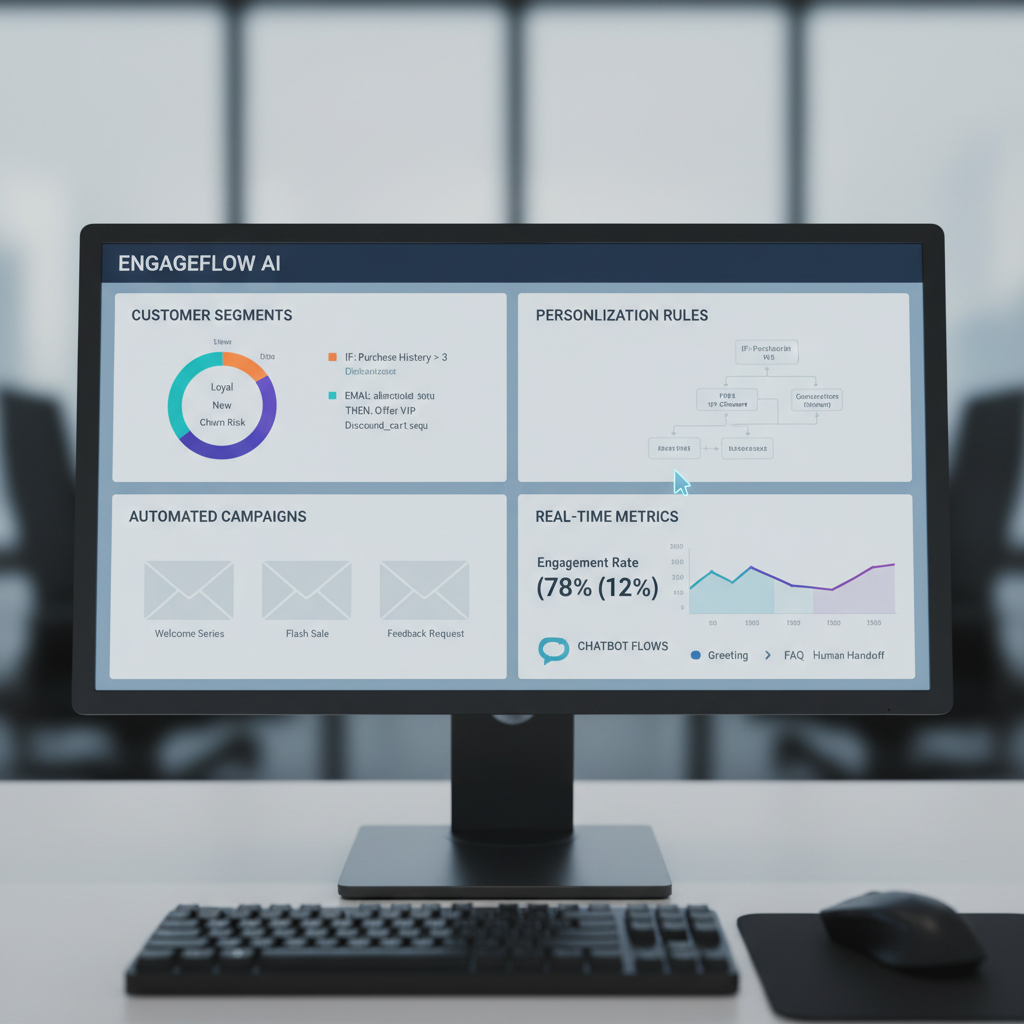
One of the primary benefits of marketing automation is increased efficiency. By automating tasks, you reduce the time spent on manual operations, which can lead to significant time savings. Another advantage is the ability to personalize campaigns at scale, delivering tailored messages to different segments of your audience.
Moreover, automation tools offer valuable analytics and reporting features. These insights can help you understand what’s working in your campaigns and where improvements are needed, allowing for data-driven decision-making.
Choosing the Right Tool for Your Business
With a plethora of marketing automation tools available, selecting the right one can be overwhelming. Start by identifying your business needs and goals. Consider factors such as budget, features, and integration capabilities with your existing systems. Popular options include HubSpot, Marketo, and Mailchimp, each offering unique features tailored to different marketing needs.
Integrating Automation into Your Campaigns
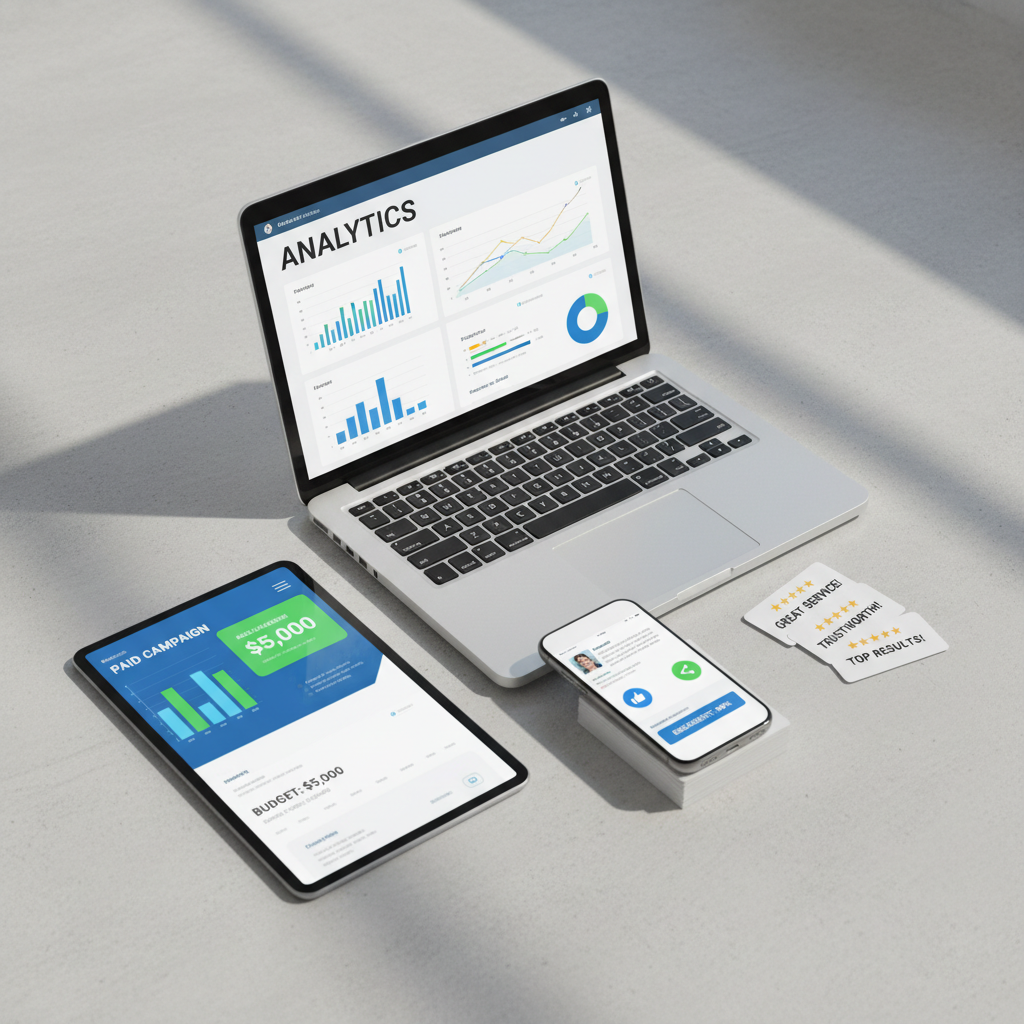
Once you’ve selected a tool, the next step is integration. Begin by mapping out your marketing processes to understand where automation can be most beneficial. Set clear goals and KPIs to measure the success of your campaigns. Automation can be applied to various areas, such as lead nurturing, customer segmentation, and follow-up emails.
For example, you can set up automated email sequences that trigger based on user actions, ensuring timely and relevant communication. This not only enhances user experience but also increases conversion rates.
Best Practices for Maximizing Automation
To get the most out of your marketing automation tools, it’s important to follow best practices. First, ensure your data is clean and up-to-date. Automation relies heavily on accurate data for segmentation and personalization. Regular audits and maintenance of your database are essential.
Additionally, continuously test and optimize your campaigns. Use A/B testing to determine what resonates best with your audience and make data-driven adjustments. Finally, ensure that your team is adequately trained to use the tools effectively, maximizing their potential.
Measuring the Impact of Automation
Measuring the impact of marketing automation is crucial to understanding its effectiveness. Focus on key metrics such as open rates, click-through rates, and conversion rates. These indicators will help you gauge the success of your campaigns and identify areas for improvement.
Furthermore, consider the overall impact on customer engagement and ROI. Automation should not only streamline processes but also enhance the customer journey, leading to increased satisfaction and loyalty.
Conclusion
Marketing automation tools offer a powerful way to enhance your marketing campaigns, drive efficiency, and improve customer engagement. By selecting the right tools and implementing them strategically, you can transform your marketing efforts and achieve better results. Remember, the key to success lies in continuous optimization and a focus on delivering value to your audience.